The Age of Dinosaurs
Dinosaurs (*Dinosauria*) were the dominant terrestrial vertebrates for over 160 million years. Discover their scientific classification, evolutionary branches, and ancient fossil records.
Scientific Classification
Taxonomic Hierarchy (Owen, 1842)While non-avian dinosaurs became extinct 66 million years ago during the Cretaceous–Paleogene extinction event, modern birds (*Aves*) are surviving feathered theropod dinosaurs.
Major Dinosaur Lineages
Two Fundamental Clades: Saurischia & Ornithischia† Sauropodomorpha
Long-necked gigantic herbivores: *Brachiosaurus, Diplodocus*Theropoda
Bipedal predators & birds: *Tyrannosaurus, Velociraptor, Spinosaurus*† Thyreophora
Armored & plated quadrupeds: *Stegosaurus, Ankylosaurus*† Marginocephalia
Frilled & horned herbivores: *Triceratops, Pachycephalosaurus*† Ornithopoda
Duck-billed and two-legged herbivores: *Iguanodon, Parasaurolophus*Prehistoric Spotlight
Iconic specimens discovered across ancient fossil strata
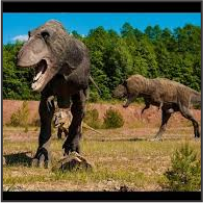
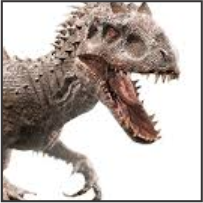
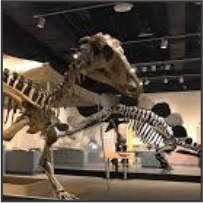
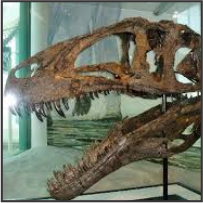
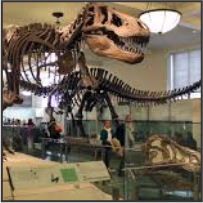
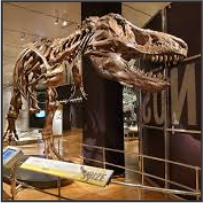
The Three Mesozoic Periods
The tripartite division of the Mesozoic Era spanning 180 million years
Triassic Period
Emerging from the Permian mass extinction, the supercontinent of Pangaea gave birth to the earliest primitive dinosaurs like *Coelophysis* and *Herrerasaurus*.
Read Era DetailsJurassic Period
Lush greenhouse jungles flourished. Gigantic sauropods shook the continents, plated stegosaurs roamed, and early feathered ancestors took to the skies.
Read Era DetailsCretaceous Period
The pinnacle of dinosaur diversity and size, culminating with apex predators like *T. rex*, armored ankylosaurs, and the fateful Chicxulub asteroid impact.
Read Era DetailsReady to Deep Dive into Paleontology?
Access educational field notes, high-definition photo galleries, and video documentaries.