Origins and Early Radiation
Dinosaurs emerged approximately 20 million years after the catastrophic Permian–Triassic extinction, gradually conquering vacant ecological niches.
Permian-Triassic Extinction
The greatest extinction in Earth's history wiped out over 95% of marine life and 70% of terrestrial vertebrates, clearing the stage for ancestral archosaurs to diversify.
Earliest Fossil Traces
*Staurikosaurus* from Brazil and *Eoraptor* from Argentina reveal that the earliest true dinosaurs were nimble, bipedal omnivores and predators measuring less than 2 meters long.
The Common Ancestor
Remains of primitive archosaurian forms like *Nyasasaurus* and *Marasuchus* illustrate the evolutionary transition from sprawling reptiles to erect, upright-walking dinosauromorphs.
Carnian Pluvial & Mid-Triassic Turnover
Prolonged rainfall episodes and ecological shifts led to the decline of basal archosauromorphs and large dicynodonts, giving early sauropodomorphs and theropods an evolutionary foothold.
Triassic–Jurassic Extinction Event
Massive volcanic eruptions in the Central Atlantic Magmatic Province eliminated pseudosuchian rivals (aetosaurs, rauisuchians), leaving dinosaurs virtually unchallenged on land.
The Three Mesozoic Periods
Visualizing the distinct faunas across 160 million years of evolutionary dominance.
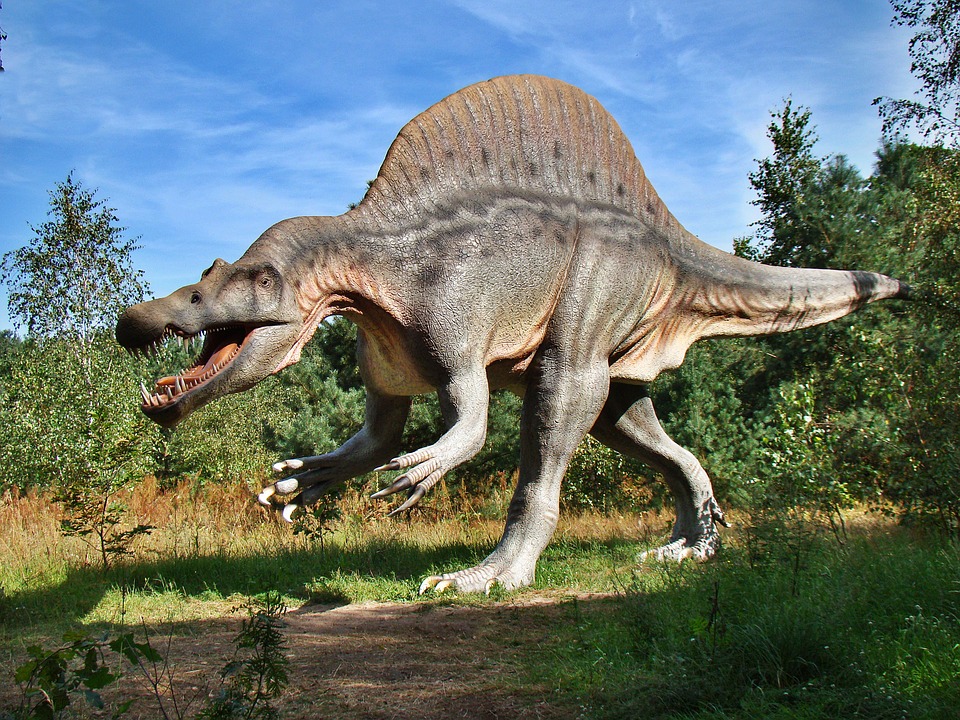
Triassic Period
Dinosaurs emerged as small, swift predators living in the shadow of armored pseudosuchians across the arid inland regions of Pangaea.
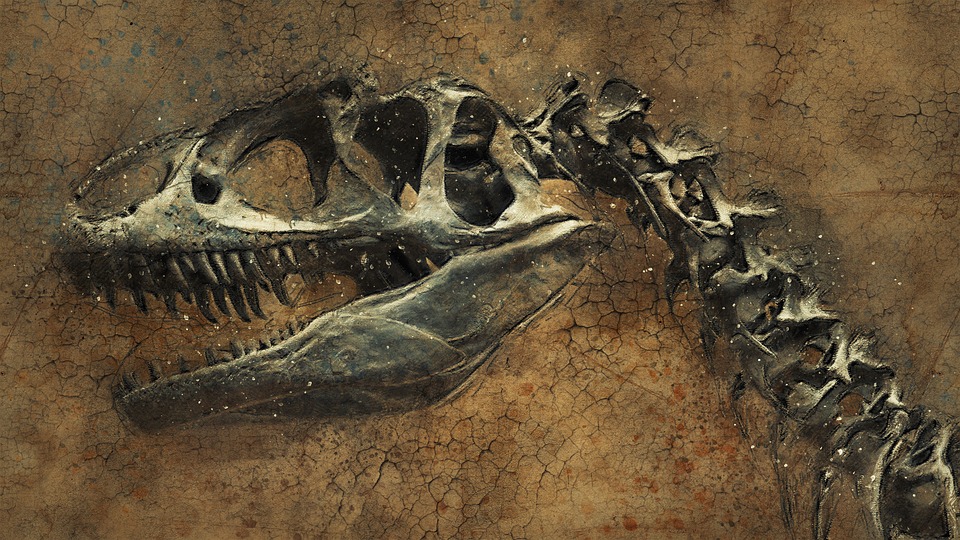
Jurassic Period
Global warm greenhouse climates supported sprawling conifer forests. Gigantic sauropods, stegosaurs, and allosauroid predators achieved immense body mass.
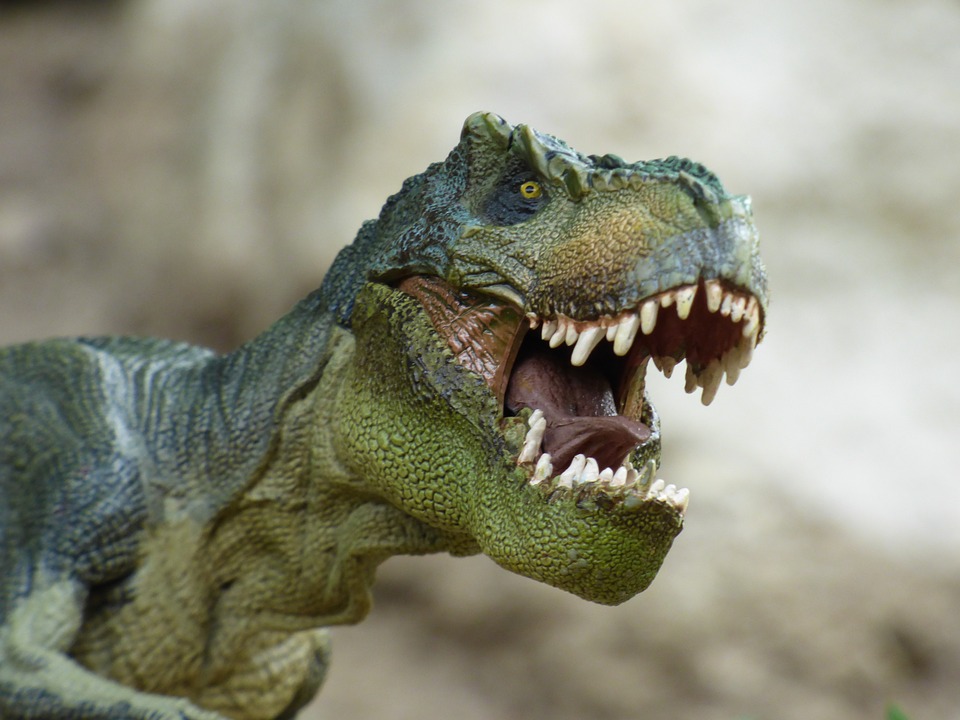
Cretaceous Period
Continental drift isolated landmasses, spurring explosive regional speciation—horned ceratopsians, duck-billed hadrosaurs, giant theropods, and flowering plants (*Angiosperms*).
Evolution & Paleobiogeography
How shifting tectonic plates and floral revolutions molded dinosaur anatomy.
The Breakup of Pangaea
During the late Triassic and early Jurassic, the unified supercontinent of Pangaea permitted cosmopolitan dinosaur populations. Similar coelophysoids and primitive prosauropods spread across modern North America, Europe, Africa, and Antarctica.
As the Tethys Ocean widened and split Pangaea into Laurasia and Gondwana, dinosaur families diversified into isolated lineages, developing unique regional anatomical adaptations.
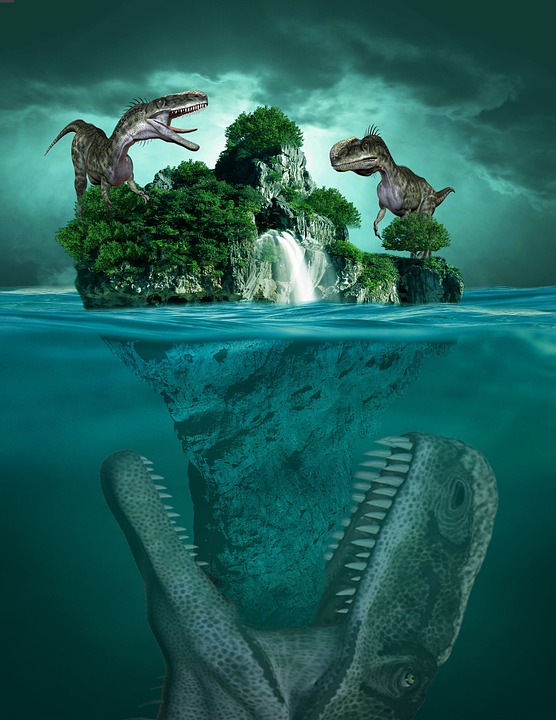
Jurassic Environments & Flora
The expansion of gymnosperms, particularly tall conifers, cycads, and ginkgoes, catalyzed the gigantism of long-necked sauropods like *Apatosaurus* and *Mamenchisaurus*.
Simultaneously, within the feather-bearing coelurosaurian theropods, advanced flight feathers and wishbones evolved, culminating in *Archaeopteryx* and the dawn of modern avian dinosaurs.
Taxonomy & Pelvic Morphology
The fundamental split established by Harry Govier Seeley in 1887 based on the structure of the pelvic girdle.
Saurischia
"Lizard-Hipped"Retained the ancestral reptile hip orientation, where the pubis bone points forward and downward (cranially), separated from the rearward-pointing ischium.
Core Subgroups:
- Theropoda: Bipedal carnivores, omnivores, and birds (*T. rex, Spinosaurus, Velociraptor*)
- Sauropodomorpha: Quadrupedal long-necked giants (*Brachiosaurus, Diplodocus*)
Ornithischia
"Bird-Hipped"Developed an inverted pelvis where the pubis points backward and parallel to the ischium (caudally), creating expansive internal room for massive herbivorous gut fermenters.
Core Subgroups:
- Thyreophora: Armored and plated forms (*Stegosaurus, Ankylosaurus*)
- Marginocephalia: Horned frills and thick skulls (*Triceratops, Pachycephalosaurus*)
- Ornithopoda: Duck-billed chewers (*Iguanodon, Parasaurolophus*)